

How to Sell an Unwanted House in Indiana (2026 Guide)
Stuck with an unwanted house in Indiana? Learn fast selling options, legal requirements, and how to get cash offers in 24 hours—no repairs needed.
You've got a house you don't want. Maybe it's an inherited property, a rental that's bled you dry, or a home you need to leave behind for a job. Whatever the reason, you're done with it. Now you just need to figure out how to sell a unwanted house in indiana without losing your mind or your shirt. The good news? You've got options in 2026, and some of them are way faster than you think.
Why Indiana Homeowners Have Unwanted Houses
Life happens fast.
You inherit a house from a relative. Now you're stuck managing a property two counties away.
You got transferred for work. The house won't sell before you leave.
Divorce hits and neither of you wants the house.
Or maybe the place needs $40,000 in repairs you can't afford.
The house becomes a weight, not an asset.
Common Scenarios for Unwanted Properties
Here's what I see most often:
- Inherited homes that need work and probate is a nightmare
- Rental properties with bad tenants or constant repair bills
- Divorce situations where both parties just want out
- Job relocations with tight timelines
- Pre-foreclosure homes before the bank takes over
- Outdated houses that need major updates to compete
Each situation has its own pressure points. But they all share one thing: you need to move fast.

Your Three Main Options for Selling
You've got three paths when figuring out how to sell a unwanted house in indiana.
Let's break them down.
Option 1: List with a Real Estate Agent
The traditional route. You hire an agent, list on the MLS, and wait for buyers.
Pros:
- Potentially highest sale price
- Agent handles showings and paperwork
- Wide exposure to buyers
Cons:
- Takes 60-90 days on average (sometimes longer)
- You pay 6% in commissions
- Usually need repairs to compete
- Showings disrupt your life
- Deal can fall through at inspection
This works great if your house is in decent shape and you've got time. If you're under pressure or the house needs work, keep reading.
Option 2: Sell It Yourself (FSBO)
You skip the agent and handle everything yourself.
You'll save on commission. But you'll earn every penny of those savings.
Indiana requires specific disclosures. You need to understand Indiana property selling laws to stay compliant.
You'll handle:
- Pricing research
- Marketing and photos
- Showings and questions
- Negotiations
- Paperwork and legal forms
- Title and closing coordination
FSBO takes serious time and knowledge. Most people underestimate both. If you want to explore this route, learn about selling without a realtor first.
Option 3: Sell to a Cash Buyer
This is the fast track.
Cash buyers purchase houses as-is. No repairs, no showings, no waiting months for a mortgage approval.
Here's how it works:
- You contact the buyer
- They inspect the property (usually in 24 hours)
- You get a cash offer
- You pick your closing date (often 2-3 weeks)
- Done
The trade-off? You'll get less than retail market value. But you'll save on:
- Agent commissions (6%)
- Repairs and updates
- Holding costs (mortgage, utilities, taxes)
- Vacancy and security issues
For unwanted properties, the math often works out better than you think.
Legal Requirements When Selling in Indiana
Indiana law doesn't mess around with seller obligations.
You need to complete a Seller's Residential Real Estate Sales Disclosure.
This form covers:
- Known defects in the property
- Environmental hazards
- Structural issues
- Systems and appliances
- Past repairs and problems
Hiding problems can get you sued. Even after closing. Understanding required disclosures in Indiana protects you legally.
Special Situations Need Extra Steps
| Situation | Additional Requirements |
|---|---|
| Inherited property | Probate completion or heir agreement |
| Pre-foreclosure | Lender payoff negotiation |
| Divorced owners | Both parties must sign |
| Properties with liens | Clear title or sale covers payoff |
If you're dealing with an inherited house, you might need to wait for probate to close. Or work with all heirs to agree on the sale.
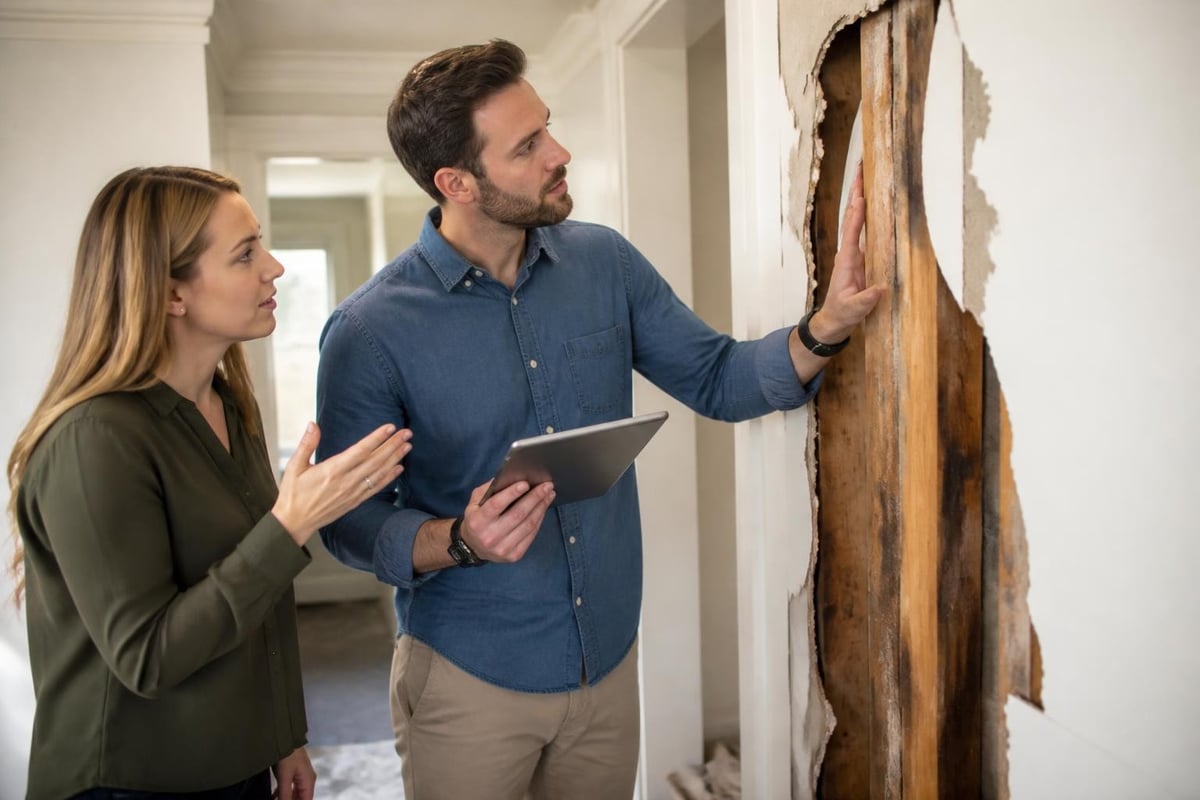
How to Sell a Unwanted House in Indiana Fast
Speed matters when you're dealing with an unwanted property.
Every month you hold it costs money. Mortgage, insurance, utilities, taxes. It adds up fast.
Step 1: Assess Your Timeline
How fast do you really need to sell?
- Under 30 days? Cash buyers are your best bet
- 1-2 months? Maybe a quick FSBO or aggressive agent pricing
- 3+ months? Traditional listing might work
Be honest about your deadline. It drives every other decision.
Step 2: Evaluate the Property Condition
Walk through the house like a buyer would.
What's broken? What's outdated? What smells funky?
Make a list:
- Major systems (roof, HVAC, plumbing, electrical)
- Cosmetic issues (paint, flooring, counters)
- Deferred maintenance (gutters, landscaping)
- Deal-breakers (foundation cracks, mold, structural)
Now estimate repair costs. Get real numbers from contractors if you can.
This tells you if fixing it up makes financial sense.
Step 3: Price It Right
Overpricing kills deals. Underpricing leaves money on the table.
Look at recent sales in your area. Same neighborhood, similar size and condition.
Subtract your repair costs. Subtract holding costs for how long it'll take to sell.
That's your realistic number.
If you're selling as-is, expect 15-30% below retail depending on needed repairs.
Step 4: Choose Your Selling Method
Based on your timeline, condition, and financial situation, pick your path:
- Need speed and certainty? Contact as-is home buyers
- Have time and a decent property? List it
- Want control and have expertise? Try FSBO
You can always switch strategies if the first one isn't working.
The Cash Buyer Process Explained
Since cash buyers solve most unwanted property problems, let's go deeper.
How Cash Offers Actually Work
Real cash buyers (not wholesalers pretending to be buyers) follow a simple process:
Day 1: You reach out and provide basic property info
Days 2-3: They inspect the house (sometimes virtually, sometimes in person)
Day 3-4: You receive a written cash offer
Days 4-7: You review, negotiate if needed, and accept
Days 7-21: You pick a closing date that works for you
The whole thing wraps up in 2-3 weeks if you want it to.
What Affects Your Cash Offer
Cash buyers use a formula:
After-Repair Value (what it's worth fixed up)
Minus repair costs
Minus their profit margin
Minus buying/selling costs
Equals your offer
| Factor | Impact on Offer |
|---|---|
| Major repairs needed | Lowers offer significantly |
| Good location | Increases offer |
| Clean title | Makes deal smooth |
| Flexible closing | Small bonus possible |
| Multiple liens | Complicates or kills deal |
Location matters as much as condition. A rough house in Indianapolis or Fort Wayne might get a better offer than a nicer house in a dying town.
Red Flags to Avoid
Not all cash buyers are equal.
Watch out for:
- Wholesalers who put your house under contract then try to flip the contract
- Low-ball artists who offer 40-50% of value hoping you're desperate
- Fee stackers who add junk fees at closing
- Delayed closers who keep pushing back the date
A legit cash buyer gives you a firm offer and closes on time.
Companies like HudREI provide fair cash offers within 24 hours and can close in as little as 2-3 weeks with no fees or commissions through their Cash Offer Program.
Tax Implications When Selling
Selling property triggers tax consequences.
I'm not a tax pro, but here's what to know:
Capital Gains Basics
If the house was your primary residence for 2 of the last 5 years, you can exclude:
- $250,000 of gain (single)
- $500,000 of gain (married filing jointly)
That's profit, not sale price. Most people owe nothing.
Inherited Property Gets Special Treatment
When you inherit a house, you get a "step-up in basis."
Your basis becomes the fair market value when the person died. Not what they originally paid.
So if they bought it for $50,000 in 1985 and it's worth $150,000 now, your basis is $150,000.
You only pay tax on gains above that stepped-up value.
Pre-Foreclosure Sales
If you're selling before foreclosure, forgiven debt might be taxable income.
The Mortgage Forgiveness Debt Relief Act sometimes protects you. But rules change.
Talk to a tax advisor before accepting a short sale.

Specific Indiana Markets to Consider
Indiana isn't one market. It's dozens.
What works in Carmel won't work in rural Delaware County.
High-Demand Areas
These markets move fast even for as-is properties:
- Indianapolis metro (including Fishers, Carmel, Hamilton County)
- Fort Wayne and Allen County
- Bloomington (college town stability)
- South Bend (rebounding market)
You might get multiple cash offers in these areas.
Slower Markets
Smaller cities and rural areas take longer:
- Muncie (population declining)
- Marion County outer areas
- Rural townships
Cash buyers become more valuable in slow markets. The alternative is waiting 4-6 months for a traditional buyer.
College Town Advantage
Cities like Bloomington and Lafayette have built-in rental demand.
Even rough houses work as student rentals. Cash buyers know this and factor it in.
Common Mistakes That Cost You Money
I've seen these errors wreck deals or leave thousands on the table.
Mistake 1: Waiting Too Long
Every month you wait costs money.
Holding costs add up:
- Mortgage: $1,200/month average
- Insurance: $150/month
- Utilities: $200/month
- Property taxes: $250/month
- Maintenance: $100/month
That's $1,900 per month. Nearly $23,000 per year.
If you're not living there, you're burning cash.
Mistake 2: Over-Improving Before Sale
You think: "I'll just fix these few things to get more money."
Then those few things turn into $15,000 and three months.
You won't get that money back selling as-is anyway.
Focus on cleaning and clearing. Skip the renovations unless you're listing traditionally.
Mistake 3: Hiding Property Issues
Buyers find everything during inspection.
When they discover undisclosed problems, they either:
- Demand price reductions
- Walk away completely
- Sue you later
Honesty upfront prevents disasters later.
Mistake 4: Accepting the First Offer Without Research
Whether it's a cash offer or traditional buyer, know your property's value.
Get 2-3 cash offers if you're going that route. Compare terms, not just price.
Closing date flexibility and zero fees matter too.
Mistake 5: Not Understanding Net Proceeds
Sale price doesn't equal money in your pocket.
Subtract:
- Remaining mortgage balance
- Agent commissions (if using one)
- Title fees and closing costs
- Prorated taxes
- Any liens or judgments
- Repair credits negotiated
Know your net number before accepting any deal.
How to Handle Difficult Situations
Some unwanted properties come with extra complications.
Selling a House with Tenants
You've got two options:
Sell with tenants in place. Investors might buy it as a rental. Cash buyers definitely will.
Evict first. This adds 2-3 months and legal costs. Only worth it if you're listing traditionally.
Selling to as-is home buyers with tenants in place is usually easier.
Properties in Probate
Inherited houses often get stuck in probate.
You might need:
- Court approval to sell
- All heirs to agree
- Estate representative authority
Some cash buyers can work with properties still in probate. They'll wait for court approval but lock in the offer now.
Houses Facing Foreclosure
Time is critical here.
Indiana foreclosures take 150-250 days from first missed payment to auction.
You can sell right up until the auction. Understanding how to sell before foreclosure in Indiana gives you options most people don't know exist.
The sale proceeds pay off the lender. Anything left over comes to you.
Hoarding or Extreme Mess
Don't be embarrassed.
Cash buyers have seen it all. Hoarding, pet damage, mold, you name it.
They buy the house, not your life story.
You don't need to clean out everything first. Many will handle cleanout as part of the deal.
Questions to Ask Any Buyer
Whether you're talking to an agent's buyer or a cash buyer, ask these:
For traditional buyers:
- Are you pre-approved or paying cash?
- What's your closing timeline?
- Are you asking for repairs or credits?
- What contingencies are in your offer?
For cash buyers:
- How long have you been buying in Indiana?
- Do you have proof of funds?
- What's included in your offer (fees, costs)?
- What's your exact closing timeline?
- Who pays closing costs?
Get everything in writing. Verbal promises mean nothing.
Making Your Decision
You've got the information. Now decide.
Run the numbers for each option:
| Selling Method | Timeline | Your Net Proceeds | Hassle Level |
|---|---|---|---|
| Traditional listing | 60-90 days | Highest potential | High |
| FSBO | 30-60 days | Save commission | Very high |
| Cash buyer | 7-21 days | Quick and certain | Low |
Factor in your stress level too. Money isn't everything when you're dealing with an unwanted property.
Sometimes the "less money but done in two weeks" option is worth way more than squeezing out another $5,000 over three months.
Your Next Steps
Here's what to do today:
- Decide your must-have timeline
- Get your property info together (address, condition notes, mortgage balance)
- Contact 2-3 buyers or agents depending on your chosen path
- Compare actual offers, not promises
- Pick the deal that works best for your situation
Learning how to sell a unwanted house in indiana gets easier once you start taking action.
The waiting and wondering is usually worse than the actual process.
Working with Local Indiana Companies
Local buyers know Indiana markets inside out.
They understand:
- Neighborhood values in Evansville vs Elkhart
- Indiana disclosure laws
- Local title companies and closing procedures
- County-specific property issues
National "we buy houses" companies often lowball. They're managing from out of state with no real local knowledge.
Indiana-based companies have skin in the game. They're buying and holding or fixing and selling locally.
They can't afford to burn their reputation in communities where they do business long-term.
Understanding Market Timing in 2026
Real estate markets shift.
Right now in 2026, Indiana's seeing:
- Steady demand in metro areas
- Interest rate stabilization
- Continued need for affordable housing
For unwanted properties, timing matters less than you think.
Someone always needs a house. Cash buyers especially don't care about market cycles the way retail buyers do.
They're buying for long-term holds or fix-and-flip. Your unwanted problem house is their opportunity.
Seasonal Considerations
Spring and summer traditionally see more buyers. But cash buyers operate year-round.
Don't wait for spring if you need to sell now. The holding costs will eat up any seasonal price bump.
Final Thoughts on the Process
Selling an unwanted house feels overwhelming at first.
You've got options though. Real ones.
The key is matching your situation to the right selling method.
Need it gone fast? Cash buyers.
Got time and a decent house? Traditional listing.
Want control and have expertise? FSBO.
None of these options is "wrong." They're just different tools for different situations.
When you're figuring out how to sell a unwanted house in indiana, the best choice is the one that gets you unstuck and moving forward with your life.
Selling an unwanted house in Indiana doesn't have to drag on for months or cost you a fortune in repairs and fees. Whether you're dealing with an inherited property, facing foreclosure, or just need to move on fast, you've got options that work for your timeline and situation. HudREI provides fair cash offers within 24 hours and closes in as little as 2-3 weeks with no repairs, fees, or commissions required. Stop carrying the weight of that unwanted property and get your cash offer today.