

Capital Real Estate: What It Means for Sellers in 2026
Capital real estate impacts how you sell fast. Learn what it means, how it affects Indiana homeowners, and when to sell for cash instead.
You keep hearing the phrase "capital real estate" thrown around.
Maybe your neighbor mentioned it. Or you saw it online.
Here's what it actually means for you.
Capital real estate refers to properties that attract serious investment money. We're talking about buildings and homes that investors, funds, and institutions want to buy because they generate income or appreciate in value.
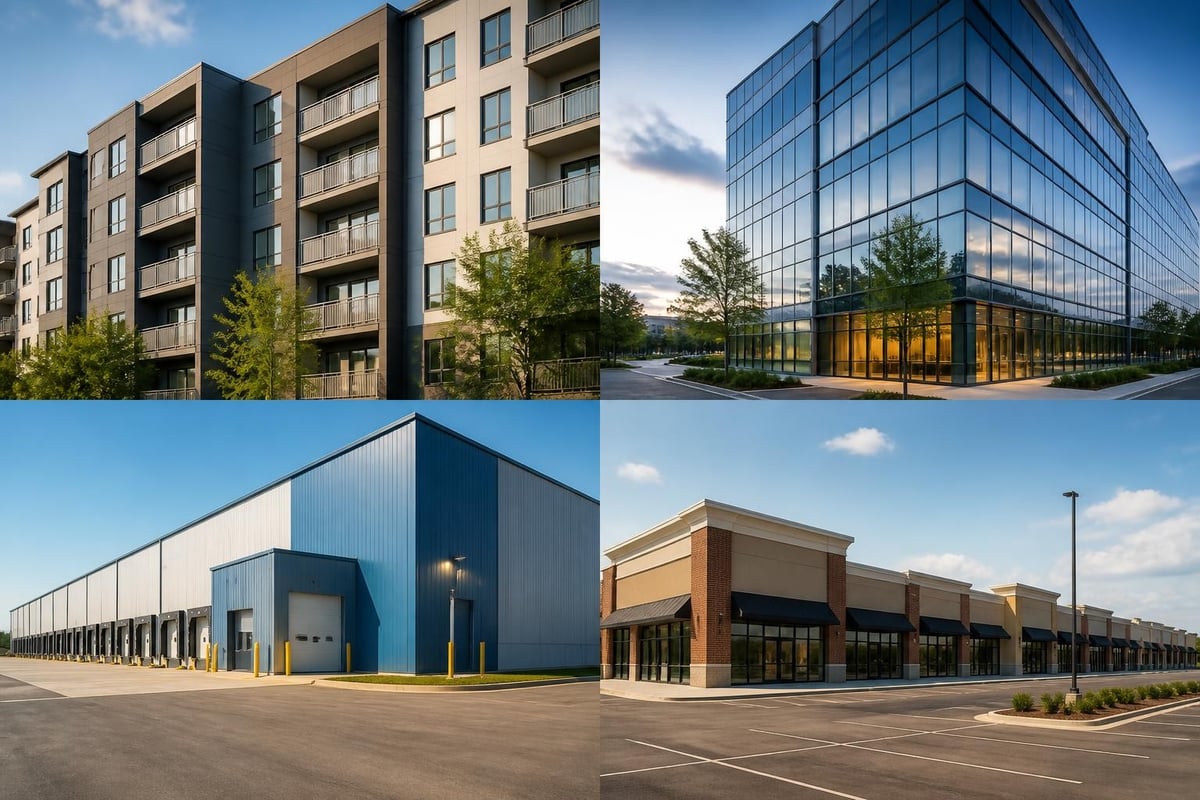
Think apartment buildings. Commercial properties. Even single-family homes in hot markets.
But here's the kicker.
When capital real estate markets shift, it affects everyday homeowners too. Especially if you need to sell fast.
Let me break it down in plain English.
What Capital Real Estate Actually Means
Capital real estate is just investor-speak for properties worth putting big money into.
Not every house qualifies.
The property needs to either make money or grow in value reliably.
Here's what makes something capital real estate:
- Strong rental income potential
- Location in growing markets
- Low maintenance costs relative to returns
- Appreciation history
- Institutional-grade quality
Most single-family homes don't fit this category.
But multifamily properties? Office buildings? Industrial REITs? Absolutely.
Why Investors Care About Capital Real Estate
Investors dump money into capital real estate because it's safer than stocks for some portfolios.
Real estate doesn't swing wildly like tech stocks.
It generates actual cash flow. Monthly rent checks. Lease payments.
| Benefit | Why It Matters |
|---|---|
| Steady Income | Rent comes in monthly, not quarterly |
| Tax Advantages | Depreciation shields income from taxes |
| Inflation Hedge | Property values rise with inflation |
| Leverage Friendly | Banks love lending against real estate |
That's why real estate portfolio strategies focus heavily on these types of properties.
How Capital Real Estate Markets Impact You
You might think this only matters to big investors.
Wrong.
When capital flows into real estate, it changes your local market.
Here's how.
Investors buying up properties drive competition. That can push prices higher in hot markets.
But it also means more cash buyers in the mix.
If you're trying to sell your home without a realtor, understanding this helps you price right.
The 2026 Capital Real Estate Landscape
Capital real estate markets in 2026 look different than five years ago.
Interest rates stabilized. But they're not the rock-bottom rates from 2020-2021.
Investors got pickier.
They want properties that actually cash flow. No more speculative plays on appreciation alone.
According to recent analysis of real estate capital markets, liquidity remains a major concern for institutional investors.
Translation: Big money is cautious right now.
That creates opportunities for regular homeowners. Especially if you need to move quickly.
Capital Real Estate vs. Residential Homes
Your three-bedroom ranch isn't capital real estate.
Let's be clear about that.
But understanding the difference helps you sell smarter.
Capital real estate focuses on returns. Your home is where you live.
Here's the breakdown:
| Capital Real Estate | Residential Homes |
|---|---|
| Valued on income potential | Valued on comparable sales |
| Bought by investors | Bought by homeowners |
| Analyzed by cap rates | Analyzed by price per square foot |
| Improvements must ROI | Improvements are personal |
When you're selling, this matters.
If investors are circling your neighborhood, you might get cash offers. Companies like HudREI buy properties for investment purposes, which means they evaluate homes differently than traditional buyers.
When Your Home Becomes Investment Property
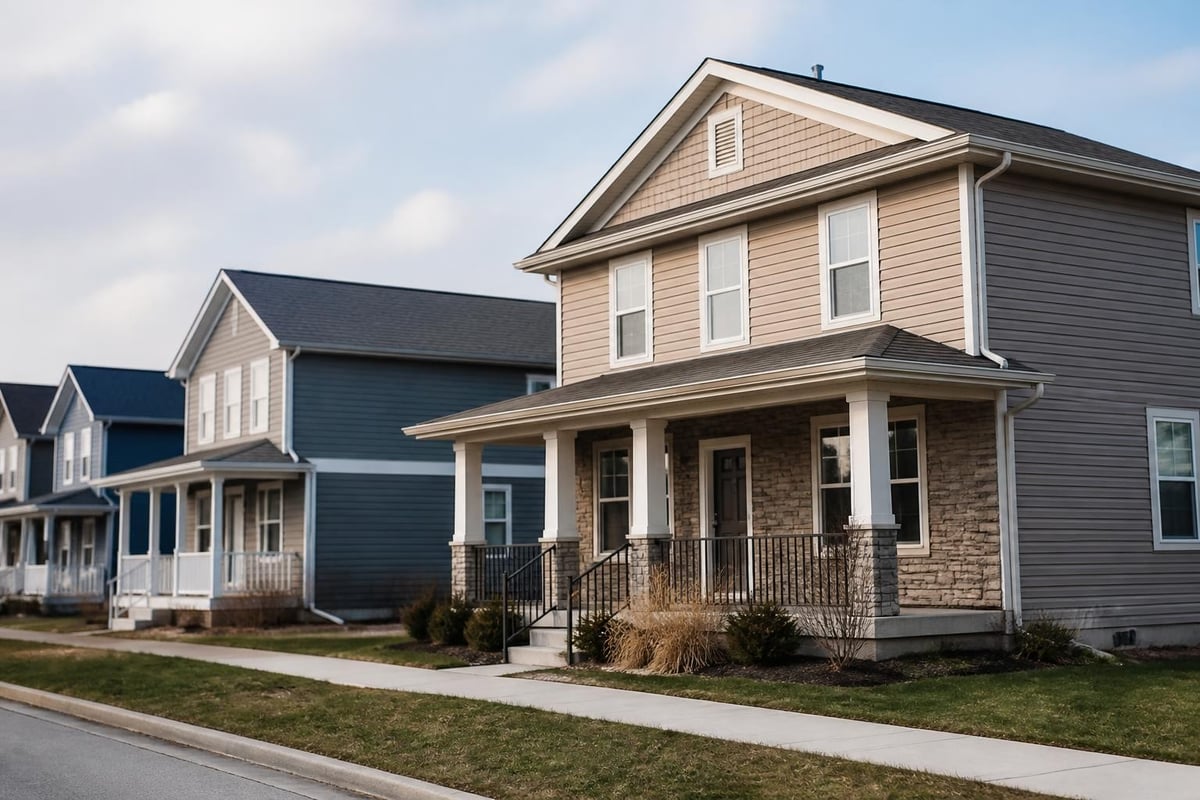
Some regular homes attract investor attention.
Especially in growing Indiana markets like Indianapolis or Carmel.
Investors look for:
- Under-market pricing
- Rental potential in strong school districts
- Fixable condition issues
- Estate sales and probate situations
- Foreclosure opportunities
If your home fits these criteria, you have more selling options than you think.
Cash buyers can close in weeks. No repairs. No showings. No hassle.
That's the capital real estate mindset applied to residential properties.
Capital Investment Strategies That Affect Your Sale
Big investors use specific strategies.
Understanding them helps you position your property.
Value-add investing is huge right now.
Investors buy distressed properties. Fix them up. Then rent or flip them.
If your home needs work, this is your target buyer.
Why Cash Offers Compete with Traditional Buyers
Capital real estate investors pay cash.
They skip the mortgage process entirely.
This creates a parallel market to traditional home sales. Research on Chinese investment patterns in U.S. real estate shows how international capital flows create all-cash competition in residential markets.
You can close in 2-3 weeks with cash buyers.
No appraisal contingencies. No financing fall-throughs. No last-minute drama.
For homeowners facing:
- Divorce situations
- Inherited property headaches
- Job relocations
- Foreclosure threats
Cash offers make sense.
Traditional buyers need perfect houses. Investors buy as-is.
The Capital Real Estate Opportunity for Quick Sales
Here's where capital real estate thinking benefits you.
Investors need inventory.
They're always looking for deals. Properties they can add to their portfolios.
Your situation doesn't scare them:
- House needs major repairs? They budget for it.
- Behind on mortgage payments? They solve that.
- Inherited a property you don't want? They buy those.
- Probate situation in Indiana? They handle it.
The HudREI selling options program connects Indiana homeowners with fair cash offers within 24 hours, making it possible to close in as little as 2-3 weeks without repairs, fees, or commissions.
How to Leverage Capital Real Estate Trends
Don't fight the market.
Use it.
If capital is flowing into your area, you have leverage. Multiple buyers mean better offers.
Time your sale when investor activity is high.
Spring and summer typically see more activity. But capital real estate investors buy year-round.
| Season | Traditional Buyers | Investor Buyers |
|---|---|---|
| Spring | High activity | High activity |
| Summer | Peak season | Consistent |
| Fall | Moderate | Consistent |
| Winter | Slow | Consistent |
Investors don't take summers off or wait for perfect weather.
They buy based on numbers. Not emotions.
Understanding Capital Flows in Indiana Markets
Indiana sees steady capital real estate investment.
Not as flashy as coastal markets. But consistent.
Midwestern properties offer better cash flow than expensive coasts.
Investors love that.
Fort Wayne, South Bend, and Lafayette all attract investment capital.
Affordable prices. Growing populations. Stable economies.
These markets won't triple overnight. But they won't crash either.
Multifamily and Income Properties
Capital real estate investors particularly love multifamily investment properties.
Duplexes. Fourplexes. Small apartment buildings.
Multiple rent checks beat single-family risk.
If you own income property for sale, you're sitting on exactly what investors want.
Price it right and you'll get multiple offers.
Even distressed income properties sell fast to value-add investors.

When to Sell to Investors vs. Traditional Buyers
This is the million-dollar question.
Sell traditionally if your home is move-in ready and you can wait 60-90 days.
Sell to investors if:
- You need to close fast
- The house needs significant repairs
- You're behind on payments
- You inherited the property
- You're relocating for work
- You're going through divorce
Investors pay less than retail. That's the trade-off.
But you save on:
- Agent commissions (5-6%)
- Closing costs
- Repair expenses
- Holding costs during listing period
- Staging and preparation
Calculating Your Real Net Proceeds
Don't just compare offer prices.
Compare what you actually walk away with.
| Sale Method | List Price | Costs | Net Proceeds |
|---|---|---|---|
| Traditional | $200,000 | $25,000 | $175,000 |
| Cash Offer | $180,000 | $0 | $180,000 |
The lower offer sometimes nets you more.
Do the math on your specific situation. As-is home buyers often provide better net outcomes than you'd expect.
Capital Real Estate and Market Cycles
Real estate moves in cycles.
Capital flows follow those cycles.
We're in a selective phase right now.
Investors aren't throwing money at everything like they did in 2020-2021. Studies comparing REITs and residential real estate show how different property types perform across market cycles.
But good deals still get funded instantly.
Your home might be exactly what investors want. Even in a slower market.
Positioning Your Property for Capital Buyers
Think like an investor when preparing your sale.
Focus on numbers, not emotions.
Investors care about:
- Purchase price relative to after-repair value
- Rental potential and market rents
- Repair costs and timelines
- Property taxes and insurance
- Neighborhood trends
They don't care about:
- Your memories in the house
- The custom wallpaper you installed
- Emotional attachment to the neighborhood
- How much you paid originally
Price it based on comps and condition. Be realistic about repairs needed.
Transparency wins with investor buyers.
Making Capital Real Estate Work for Your Timeline
You control the timeline when working with cash buyers.
Need to close in 10 days? Possible.
Want 45 days to find your next place? Also fine.
Traditional sales lock you into 30-60 day contracts minimum. Then you pray the buyer's financing comes through.
Capital real estate investors provide flexibility.
They're using cash. No lender delays. No appraisal drama.
The 24-Hour Offer Process
Modern capital real estate buyers move fast.
You can get an offer within 24 hours. Sometimes same-day.
Here's how it works:
- Contact the buyer
- Provide basic property details
- Schedule a quick walkthrough
- Receive cash offer
- Choose your closing date
No contingencies. No "subject to inspection" clauses that let buyers renegotiate.
One offer. One decision. Done.
Capital Real Estate Trends to Watch in 2026
Interest rates stabilized but stayed elevated.
That changed capital real estate investing strategies.
Cash flow matters more than speculation now.
Investors want properties that pay from day one. Not three years from now.
If your property can cash flow as a rental, it's more attractive. Even with needed repairs.
Markets like Bloomington and Fishers show strong rental demand. College towns and growing suburbs attract capital.
Private Equity and Real Estate
Some analysts predict real estate and private equity could shine again as market conditions shift.
More capital flowing in means more competition for properties.
Competition helps sellers.
Even if you're not selling prime capital real estate, rising investor activity in your market creates opportunities.
Buyers compete. Offers improve. You benefit.
Your Capital Real Estate Selling Strategy
Match your strategy to your situation.
If you need speed, go direct to cash buyers.
If you need top dollar and can wait, list traditionally.
Most homeowners facing time pressure, repairs, or complicated situations benefit from the investor route.
No judgment on condition. No repair negotiations. No buyer cold feet.
Your unwanted house in Indiana is somebody's next investment opportunity.
That's how capital real estate markets work. One person's problem property is another's profit potential.
Capital real estate investing creates opportunities for homeowners who need to sell quickly or have properties that don't fit the traditional market. If you're facing a tight timeline, dealing with repairs, or just want a straightforward sale in Indiana, HudREI can provide a fair cash offer within 24 hours and close in as little as 2-3 weeks with no fees, commissions, or repair headaches.